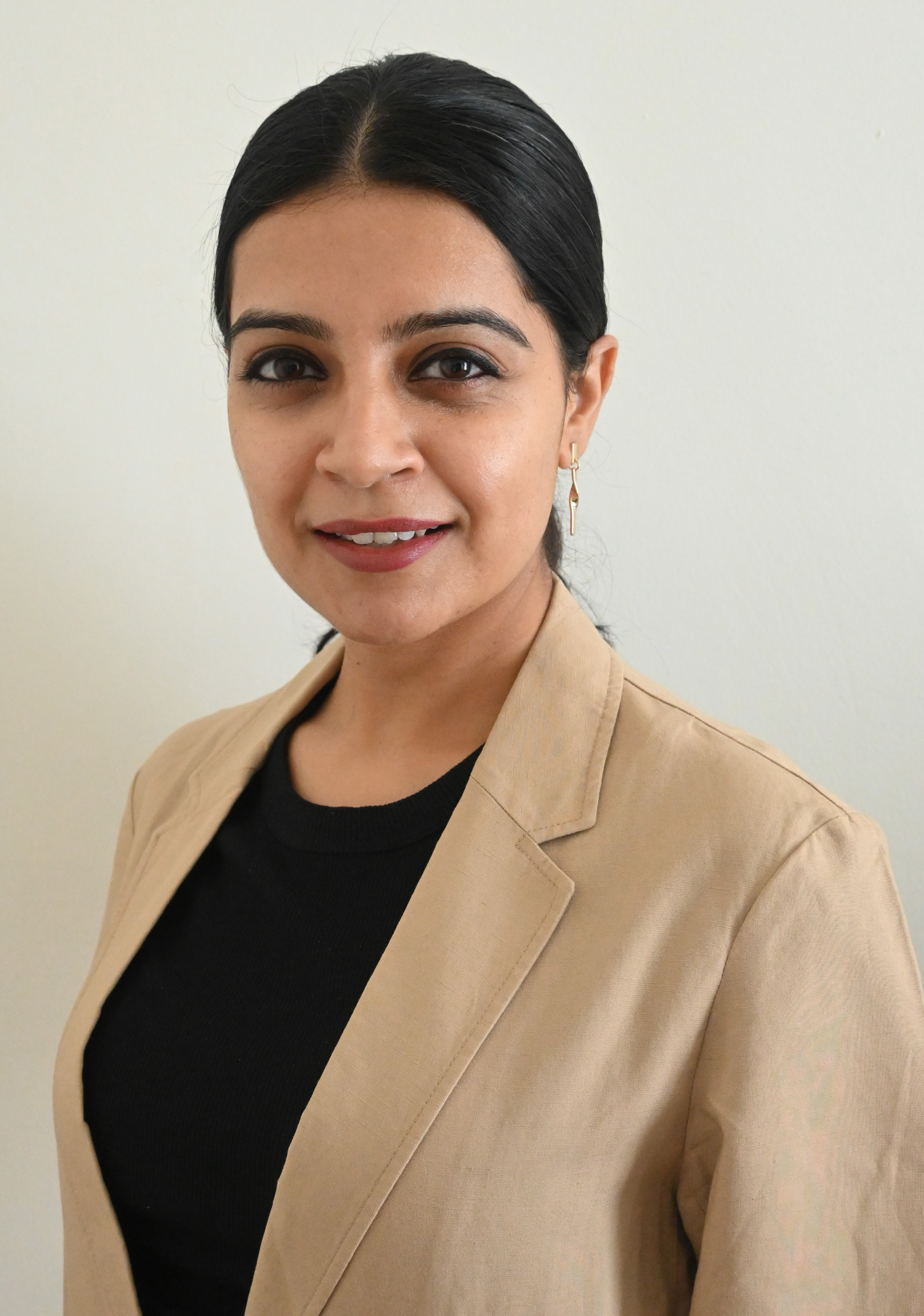
Dr. Mehak Sawhney’s research focuses on environmental media, the Blue Humanities, sound studies, surveillance studies, and media theory. She is currently working on three projects. Her book project, Audible Waters: Sounding and Surveilling the Indian Ocean, explores the politics of acoustic sensing and the production of underwater oceanic territory in postcolonial India and the Indian Ocean Region. Her second project studies the political ecology and environmental costs of AI, particularly in relation to water. She is exploring questions of hydrocolonialism and environmental justice, as well as the interconnected histories of AI infrastructure, cooling technologies and eco-political milieu subtending the expansion of data centres globally. Her third project lies at the intersection of sound and AI with a focus on the history of data analysis and machine listening in bioacoustics as well as the politics of listening in automated speech recognition and voice analysis.
keywords
environmental media, the Blue Humanities, sustainability, AI, sound studies, machine listening, South Asia, Global South, transnational media, postcolonial studies, STS
Teaching
courses taught
MDST 2002 - Media and Communication History
Primary Instructor
-
Spring 2026
Examines the historical development of communication forms, tools, technologies and institutions (orality, writing, printing, photography, film, radio, television, computers, internet); their influence on culture (forms of expression and social relationships); and their impact on social and individual experience. Applies knowledge of communication history to contemporary social issues and problems in media and society, domestically and internationally.
MDST 3201 - Media, Culture and Globalization
Primary Instructor
-
Fall 2025
Surveys the political and economic structures of media system in developed and developing countries and discusses the impact of privatization, ownership consolidation, and globalization on the flow of information across national borders. Also looks at how global media flows and counter-flows affect conceptions of nationhood and cultural identity.