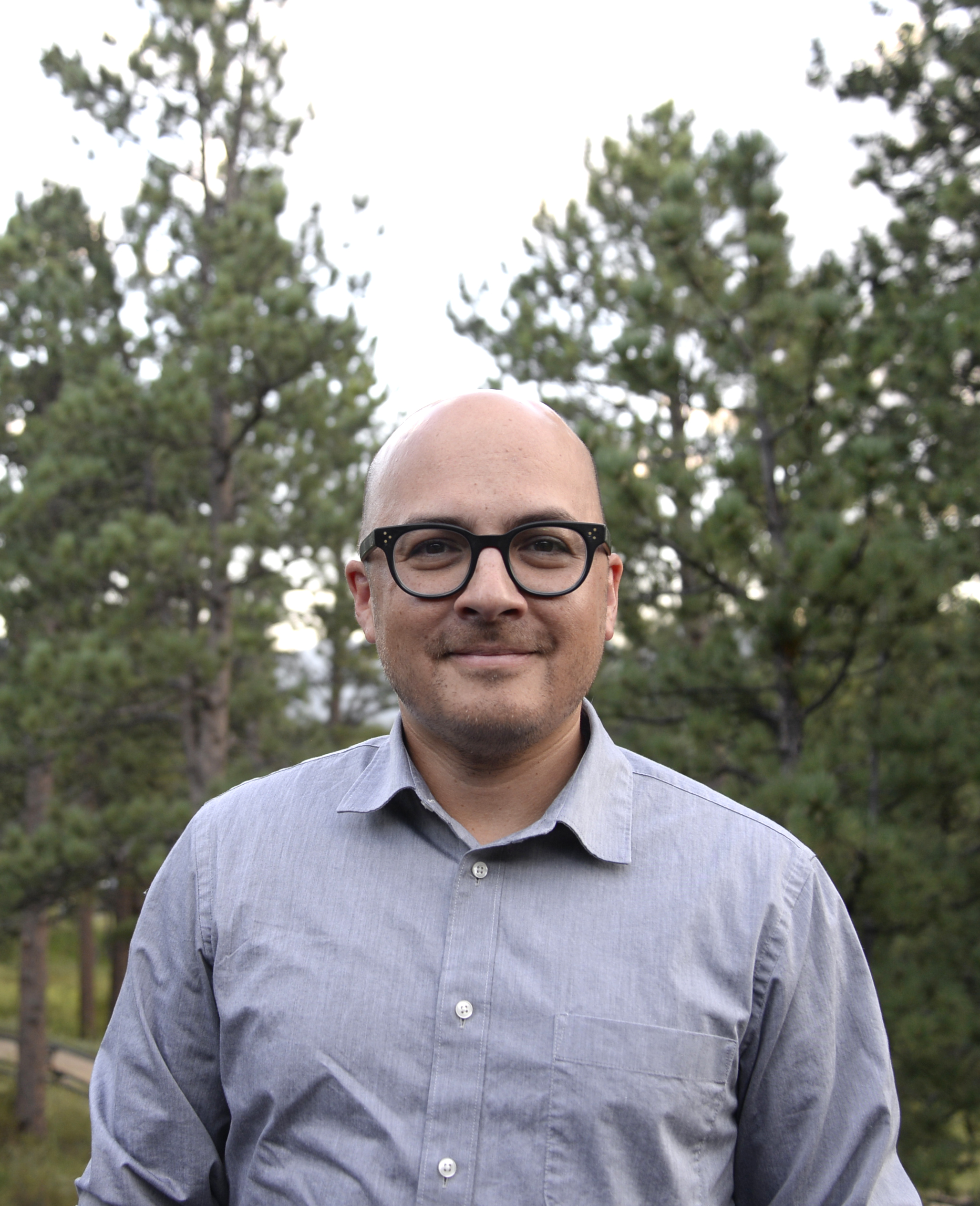
Mark's design and architectural interests include representation and fabrication through digital, manual, and hybridized processes. He is also dedicated to the study and advancement of design and architectural practice.
keywords
Architecture, Design, Design Practice, Fabrication, Digital Fabrication, Digital Modeling
Teaching
courses taught
ARCH 2100 - Studio 1: Foundations of Architecture
Primary Instructor
-
Spring 2024 / Spring 2025 / Spring 2026
Provides a framework for students to learn the basic strategies and techniques of architectural design. This project-based studio focuses on concepts of medium-scale building design, site, and climate. Through multiple design exercises, students learn how these factors assist in shaping our buildings. Recommended corequisite: ARCH 2115.
ARCH 3100 - Studio 2: Intermediate Architecture
Primary Instructor
-
Fall 2023 / Fall 2024 / Fall 2025
Emphasizes the interaction of form, programmatic use, human behavior and context in creating structure. May include a client-based community engaged project, real world applications, and result in a physical product. Students work across analog and digital platforms to produce designs that provide solutions to contemporary challenges. May be repeated up to 12 total credit hours. Recommended corequisite: ARCH 3114.
ENVD 1020 - Studio 1: Introduction to Architecture
Primary Instructor
-
Fall 2023
Introduces students to strategies and techniques of architectural design and communication in a hands-on studio environment. Students explore architectural form-making and design opportunities through an iterative design process culminating with a small-scale architectural project that responds to environmental, contextual and programmatic needs. Course is part of a co-requisite sequence: ENVD 1020, Studio 1: Introduction to Architecture, an 7-week class which is taken in the second half of the first semester. ENVD 1010, Studio 1: Introduction to Environmental Products of Design, taken during the first 7-weeks of the semester, and ENVD 1002, Technology 1: Applications for Environmental Design is a 14-week class that is taught alongside the two 7-week studios.
ENVD 1030 - Studio 1: Introduction to Landscape Architecture
Primary Instructor
-
Spring 2024
Exposes students to concepts and strategies inherent to the practice of landscape architecture. Students design for biodiversity, climate resilience and human and beyond human physical and mental health within an urban context. Course is part of a co-requisite sequence: ENVD 1030, Studio 1: Introduction to Landscape Architecture, taken the first 8-weeks of the semester, followed by ENVD 1040, Studio 1: Introduction to Sustainable Planning and Urban Design, taken in the second 8-weeks of the semester, along with ENVD 1012, Technology 2: Visual Communications, a 16-week class that is taught alongside the two 8-week studios.
ENVD 3002 - Revit I: Introduction to Building Information Modeling (BIM)
Primary Instructor
-
Fall 2024 / Spring 2026
Introduces students to BIM modeling through the Revit platform. Fundamental skills will be taught to help students understand technical and practical aspects of this software to support academic projects and gain early exposure to expectations in professional practice.
ENVD 3100 - ENVD Interdisciplinary Design Studio
Primary Instructor
-
Summer 2024 / Summer 2025
Explores a sequence of investigations that lead to the development of design concepts for critical evaluation and discussion. Students analyze intermediate to advanced design practices that are common to the disciplines of architecture, planning, urban design, landscape architecture, and product design through an interdisciplinary design project.
ENVD 4365 - Topics in Environmental Design: Technology and Practice
Primary Instructor
-
Spring 2025
Provides an advanced seminar on new technologies and issues of professional practice in the environmental design professions. May be repeated up to 12 total credit hours.