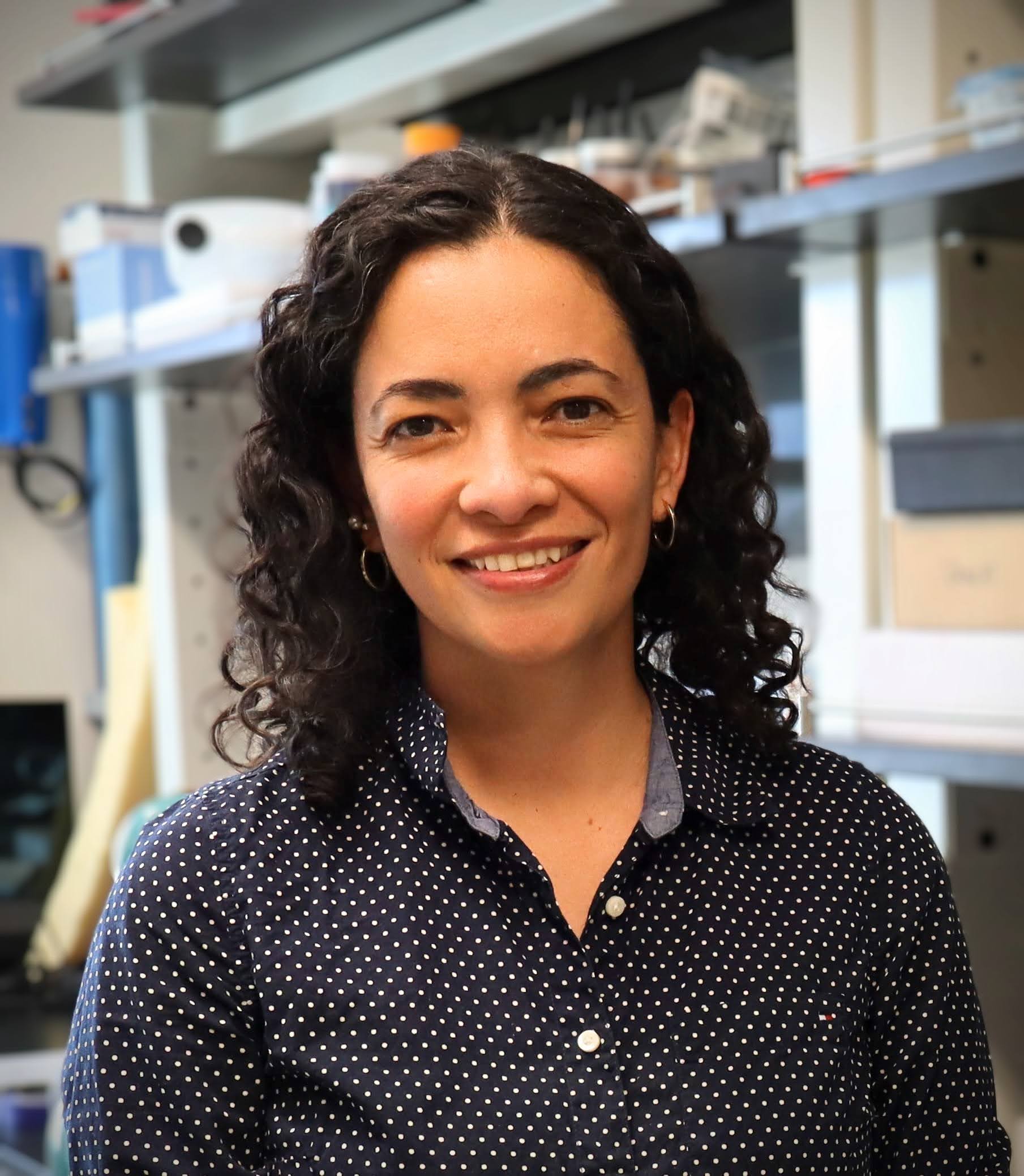
Dr. Vance's research group is focused on experimental measurements of indoor and outdoor aerosols (particulate matter). Dr. Vance's group uses environmental engineering tools to characterize the physical properties of aerosols such as particle size distributions, light absorption (black and brown carbon), aerosol liquid water content (ALW) and hygroscopicity, volatility, and effective density. Dr. Vance's group uses both research-grade instruments and low cost sensors. Our goal is to investigate how those properties may affect aerosol environmental fate and resulting human health exposure to inform on potential health effects.
MCEN 3047 - Data Analysis and Experimental Methods
Primary Instructor
-
Fall 2018 / Fall 2019 / Spring 2021 / Fall 2021 / Spring 2023 / Fall 2025
Learn to plan and carry out experiments and analyze the results. Topics covered include measurement fundamentals, design of experiments, elementary statistics and uncertainty analysis. Topics in statistics include probability, error propagation, confidence intervals, hypothesis testing, linear regression, one- and two-factor ANOVA and time series analysis. Formerly MCEN 3037. Degree credit not granted for this course and GEEN 3853.
MCEN 4085 - Mechanical Engineering Senior Design Project 2
Primary Instructor
-
Spring 2018 / Spring 2019
Second part of a two-course capstone design experience in mechanical engineering. Includes refinement of prototype, design optimization, fabrication, testing, and evaluation. Students orally present the final design and prepare a written report and operation manual for the product. IDEN-BSIDE students are not required to complete MCEN 4026.
MCEN 4141 - Indoor Air Pollution
Primary Instructor
-
Spring 2026
Describes the impact of indoor air pollutants on human health, including an introduction to key pollutants and their sources. Students will estimate emission factors, calculate generation/ventilation rates, quantify the impact of deposition and chemical reactions and explore relevant control technology. Current issues will also be addressed, including climate change, green building design, economic concerns and relevance to the developing world. Same as EVEN 4141, MCEN 5141, and EVEN 5141.
MCEN 5141 - Indoor Air Pollution
Primary Instructor
-
Spring 2026
Describes the impact of indoor air pollutants on human health, including an introduction to key pollutants and their sources. Students will estimate emission factors, calculate generation/ventilation rates, quantify the impact of deposition and chemical reactions and explore relevant control technology. Current issues will also be addressed, including climate change, green building design, economic concerns and relevance to the developing world. Same as EVEN 5141, MCEN 4141, and EVEN 4141.
MCEN 5161 - Aerosols
Primary Instructor
-
Spring 2022 / Fall 2024
Introduces atmospheric aerosols and properties of their distributions, followed by fundamental descriptions of single particle dynamics, thermodynamics, nucleation, coagulation, mass transfer and populations dynamics. During the second half of the course, the focus will shift to sources and sinks of atmospheric aerosols, their impacts on atmospheric chemistry and radiation, and the impacts of these processes on air quality and climate.
MCEN 5930 - Professional Internship
Primary Instructor
-
Summer 2025
This class provides a structure for Mechanical Engineering graduate students to receive academic credit for internships with industry partners that have an academic component to them suitable for graduate-level work. Participation in the program will consist of an internship agreement between a student and an industry partner who will employ the student in a role that supports the academic goals of the internship. Instructor participation will include facilitation of mid-term and final assessments of student performance as well as support for any academic-related issues that may arise during the internship period. May be taken during any term following initial enrollment and participation in ME graduate programs. Department permission required to enroll. May be repeated up to 12 total credit hours.