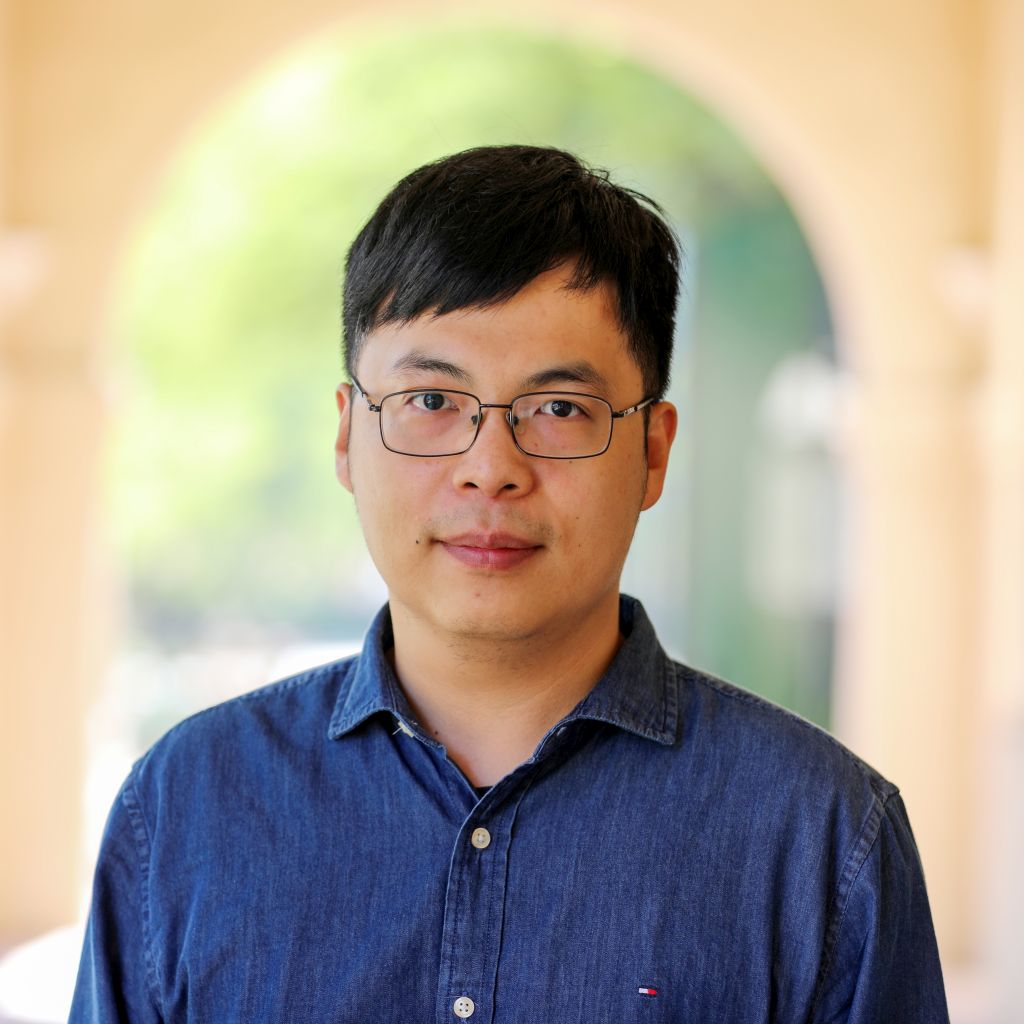
Dr. Yide Zhang is an Assistant Professor of Electrical, Computer and Energy Engineering and Biomedical Engineering at the University of Colorado Boulder, where he directs the Boulder Optical Laboratory for Translational Science (BOLTS). His long-term research goal is to pioneer optical imaging technologies that overcome current limitations in speed, resolution, depth, and accessibility, and to leverage these advances to accelerate translational research. Dr. Zhang earned his Ph.D. in Electrical Engineering from the University of Notre Dame, where he advanced multiphoton fluorescence lifetime imaging, super-resolution microscopy, and machine learning methods for disease diagnosis, including the creation of the first microscopy denoising dataset, now a benchmark for image restoration. As a postdoctoral scholar at the California Institute of Technology with Prof. Lihong V. Wang, he expanded his expertise to photoacoustic, quantum, and ultrafast imaging, developing methods for single-shot, 3D in vivo imaging and real-time visualization of dynamic biological and physical processes. His work has resulted in first-author publications in leading journals such as Nature Biomedical Engineering, Nature Photonics, Nature Communications, and Science Advances, along with patents and recognition including the NIH K99/R00 Pathway to Independence Award. At CU Boulder, BOLTS integrates optical imaging, engineering, and biomedical science to develop portable photoacoustic devices, practical quantum imaging platforms, and ultrafast imaging methods, with the goal of translating fundamental discoveries into impactful diagnostic and therapeutic technologies.
BMEN 3030 - Bioinstrumentation
Primary Instructor
-
Spring 2026
This course will provide an overview of instrumentation systems used in clinical medicine and biomedical research. Systems for measuring biologic signals will be discussed including biopotentials, stress and strain, pressure, temperature, and optical properties to interpret data from living systems. There will be applications to engineering design, including a semester-long design project that incorporates the interactions between living and non-living systems. There will also be discussion of ethical and regulatory issues related to bioinstrumentation. Recommended restriction: for students in sixth semester of Biomedical Engineering curriculum or higher.
ECEN 5006 - Special Topics
Primary Instructor
-
Fall 2025
Examines a special topic in Electrical, Computer and Energy Engineering. May be repeated up to 9 total credit hours.