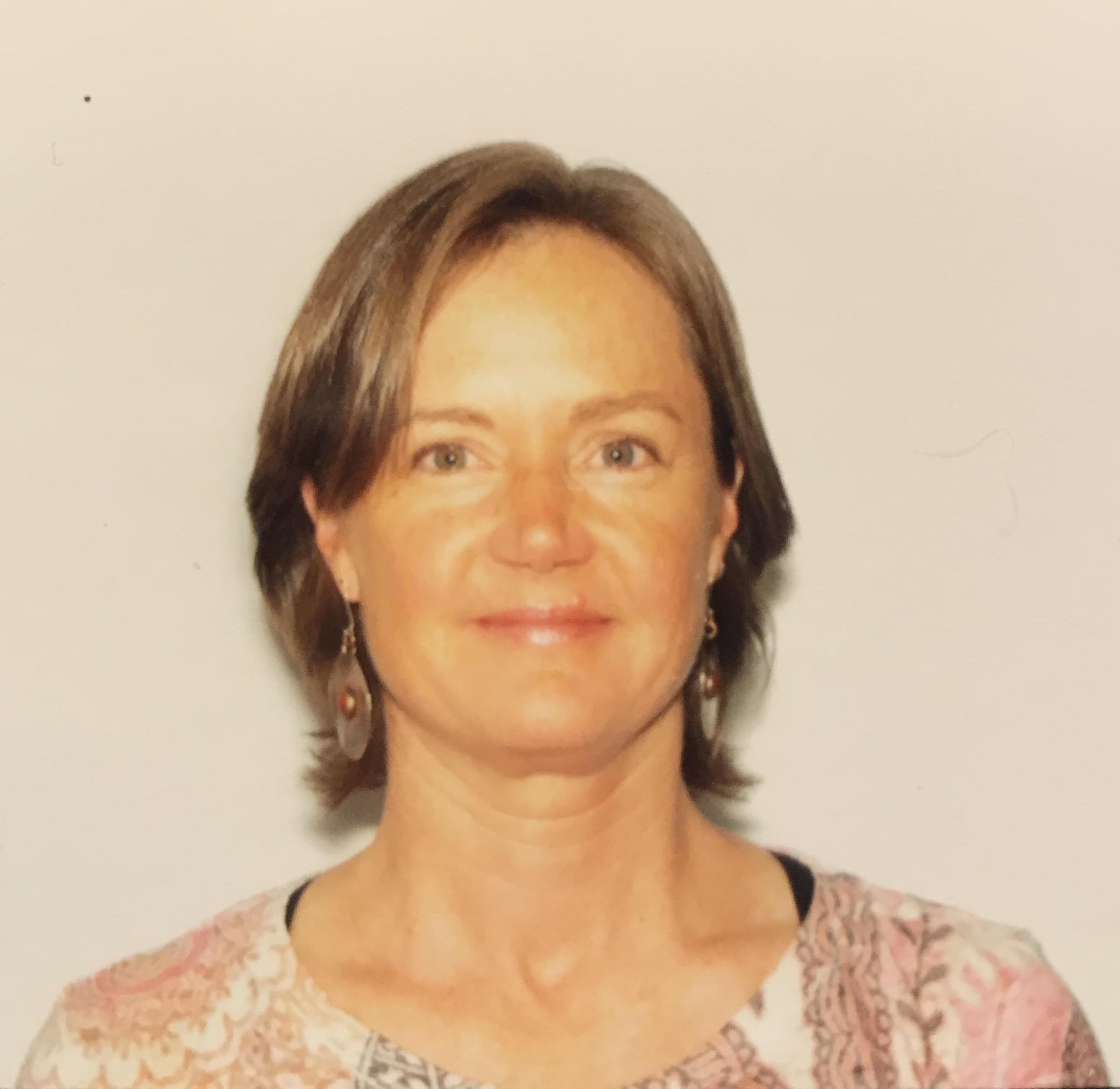
FULBRIGHT SENIOR U.S. SCHOLAR AWARD, September - December 2025 (Part 1 of 4: Research Activities) By invitation of the Department of International Relations and Tourism Studies (The Open Faculty) at the Universidad de Murcia in Spain, I worked with undergraduate students in all four years to examine ways to study sustainability challenges in urban and rural areas leading up to their senior year thesis projects. I studied local and regional issues related to the United Nations Sustainable Development Goals (SDGs) and worked with UMU faculty and The Open Faculty dean to developed a plan for a new summer Study Abroad course in Murcia and southeast Spain that I will propose to the CU Boulder Education Abroad program. I also conducted research on the pedagogical strategies utilized in their program, and conducted research on the how the history of Spain in relationship to Latin America is represented in many different locations around the country to augment my own pedagogical approaches to teaching at CU Boulder.
keywords
coca leaf, drug policy, democracy, sustainability, social innovation, syndicalism, pedagogy, study abroad, service learning
ANTH 1135 - Exploring Cultural Diversity
Primary Instructor
-
Spring 2018
Examines the geography, kinship, politics and religious values of a various cultures in historical and contemporary context through an anthropological perspective. Check with department for semester offerings. May be repeated up to 9 total credit hours.
ANTH 1155 - Exploring Global Cultural Diversity
Primary Instructor
-
Fall 2018 / Fall 2019 / Fall 2020 / Fall 2021 / Fall 2022 / Fall 2023 / Fall 2024
Examines the geography, kinship, politics and religious values of various cultures globally in historical and contemporary context through an anthropological perspective. Check with department for semester offerings. May be repeated up to 9 total credit hours.
ANTH 1200 - Culture and Power
Primary Instructor
-
Spring 2018 / Fall 2018 / Spring 2019 / Fall 2019 / Spring 2020 / Fall 2020 / Spring 2021 / Fall 2021 / Spring 2022 / Fall 2022 / Spring 2023 / Fall 2023 / Spring 2024 / Fall 2024 / Spring 2025
Compares contemporary sociopolitical systems across cultures, from non-Western tribal groups to modern states. Introduces students to anthropological approaches for understanding and analyzing political forces, processes, and institutions that affect cultures such as colonialism, warfare, violence,ethnicity, migration, and globalization.
ANTH 4020 - Explorations in Anthropology
Primary Instructor
-
Summer 2019
Special topics in cultural and physical anthropology, as well as archaeology. Check with the department for semester offerings. May be repeated up to 9 total credit hours. Same as ANTH 5020.
ENVS 3100 - Topics in Applied Environmental Studies
Primary Instructor
-
Summer 2024
Covers a variety of topics not currently offered in the curriculum; offered depending upon instructor availability and student demand. Fulfills application requirement for Environmental Studies major. May be repeated up to 8 total credit hours, provided topics vary. Recommended prerequisite: ENVS 1000.
IAFS 3000 - Special Topics in International Affairs
Primary Instructor
-
Spring 2020 / Spring 2021
Junior or senior level umbrella seminar spanning a variety of topics relevant to the study of international affairs. Subjects addressed under this heading vary according to student interest and faculty availability. May be repeated up to 9 total credit hours.
SSIR 1010 - Social Entrepreneurship & Sustainability
Primary Instructor
-
Fall 2018 / Spring 2019 / Fall 2019 / Spring 2020 / Fall 2020 / Spring 2021 / Fall 2021 / Spring 2022 / Fall 2022 / Spring 2023 / Spring 2024 / Spring 2025
Engages students in understanding, through critical thinking, problem solving, and collaborative projects, how different change models, including social entrepreneurship, can lead to sustainable outcomes. Based on a combination of lectures, exams, group work, exercises, readings, in-class discussion and analysis, and speakers, students develop skills to work collaboratively on a problem-oriented topic and present project to public audience at semester end.